The AI Efficiency Trap: Why Automation Can Sometimes Increase Burnout
AI promises to save time, but does it actually lower stress? Explore how automation shifts workload, raises expectations, and how to track its impact on your wellbeing.

You finally mastered a prompt that cuts your report-writing time from four hours to forty-five minutes. For a week, you feel a surge of relief. You expect that extra time to become a buffer—a moment to breathe, think, or leave the office on time.
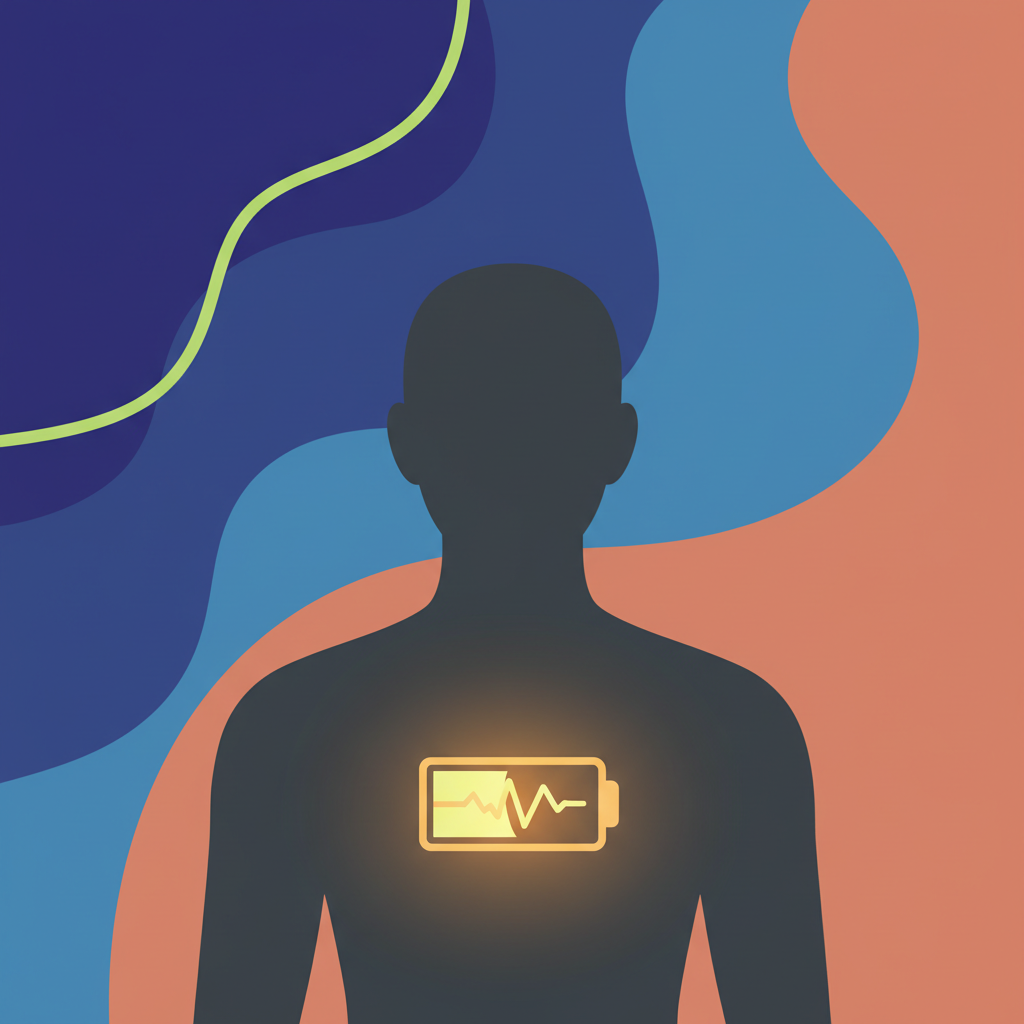
Instead, the gap is instantly filled. Because the report is faster to produce, your manager asks for three more versions with different variables. Because you aren't "stuck" writing, you’re pulled into three additional meetings. The cognitive strain hasn't vanished; it has simply changed shape, moving from the labor of creating to the pressure of managing a higher volume of output.
This is the central tension of AI in the modern workplace. While automation can lower the physical or repetitive strain of a task, it often quietly raises the bar for what counts as a "productive" day. If we aren't careful, the tools meant to liberate us end up accelerating the pace of work until our career health check-ins start flashing red.
How AI Reconfigures Your Workload
To understand why AI affects your job satisfaction, we have to look at the mechanism of effort. In the Copenhagen Burnout Inventory, we often look at "work-related burnout," which measures the degree of physical and psychological fatigue related to your job. AI impacts this in two conflicting ways.
On one hand, it reduces quantitative demands. These are the sheer number of things you have to do, like data entry or basic scheduling. When these are automated, the “drudgery” disappears, which usually correlates with higher job satisfaction.
On the other hand, it increases cognitive demands. When the easy tasks are gone, your entire day is spent on high-stakes decision-making, editing AI-generated content, and troubleshooting. You no longer have the "low-intensity" moments that used to act as mental rest breaks during the day.
The Shift from Creator to Editor
Many professionals in the African diaspora and local markets like Lagos or Accra are finding that their roles are shifting toward oversight. If you are using an AI-powered CV optimizer to help with a job search, you know that the tool does the heavy lifting, but you still have to apply the human intuition to ensure the tone is right.
In a full-time job, this constant "editing" mode is mentally taxing. It requires a high level of vigilance. If the AI makes a mistake and you miss it, the responsibility still sits with you. This creates a specific type of pressure: the fear of the automated error.
Where Automation Lowers Strain vs. Raises Expectations
It is helpful to categorize how these tools are changing your daily experience. Not all automation is created equal when it comes to your wellbeing.
| Feature | Where it lowers strain | Where it raises expectations |
|---|---|---|
| Generative Drafting | Eliminates "blank page" syndrome and starting friction. | Managers may expect finished work in half the time, leaving no room for deep thought. |
| Data Analysis | Processes thousands of rows in seconds without manual error. | You are expected to find "deeper insights" rather than just reporting the numbers. |
| Meeting Summaries | Saves you from taking frantic notes during a call. | You are expected to attend more meetings because "catching up" is now perceived as easy. |
| Coding Assistants | Handles boilerplate code and syntax fixes. | The complexity of the projects assigned to you increases to match the new speed. |
The Impact on Job Satisfaction and the WHO-5 Index
At HappyWorka, we use the WHO-5 Wellbeing Index to measure mental energy. One of the core questions asks if you have felt "cheerful and in good spirits" or "calm and relaxed."
AI can actually help your WHO-5 score if it removes the tasks you find meaningless. High job satisfaction is closely linked to autonomy and mastery. If AI allows you to spend more time on the parts of your job you actually enjoy—like strategy, client relationships, or creative problem solving—your satisfaction will likely rise.
However, if the use of AI leads to "Role Overload," where the volume of work increases because the tools make it "easier," your score will drop. The feeling of being constantly rushed is a primary driver of burnout. If you find your energy levels dipping despite using better tools, it is a signal that the pace, not the task, is the problem.
Tracking the Difference for Yourself
If your organization is introducing new AI workflows, or if you are personally adopting them to stay competitive for remote jobs, you need a system to monitor how these changes affect you.
- Audit your "Deep Work" blocks: Before AI, how much time did you spend in a flow state? If that time is shrinking because you’re now managing more automated outputs, your satisfaction may decline.
- Monitor the "Recovery-Resistant" fatigue: If you feel exhausted on a Friday, does a Saturday rest fix it? If not, the cognitive load of managing AI might be pushing you toward burnout.
- Check your autonomy: Do you feel in control of the AI, or is the AI setting the pace for your day?
For HR leaders using HappyWorka for teams, this is a critical time to run anonymous pulses. When you introduce automation, you must measure whether it is actually improving employee wellbeing or simply shortening the fuse on burnout by increasing the density of the workday.
The New Skill: Setting Automated Boundaries
As these tools become standard, the most important career skill isn't just knowing how to write a prompt; it’s knowing how to defend your mental bandwidth.
Just because a task can be done faster doesn't mean the human brain can process the next task immediately. We still require cognitive transitions. If you use AI to save an hour, try to protect at least twenty minutes of that hour for "non-productive" thought. This is not laziness; it is the maintenance required to keep your WHO-5 score in a healthy range.
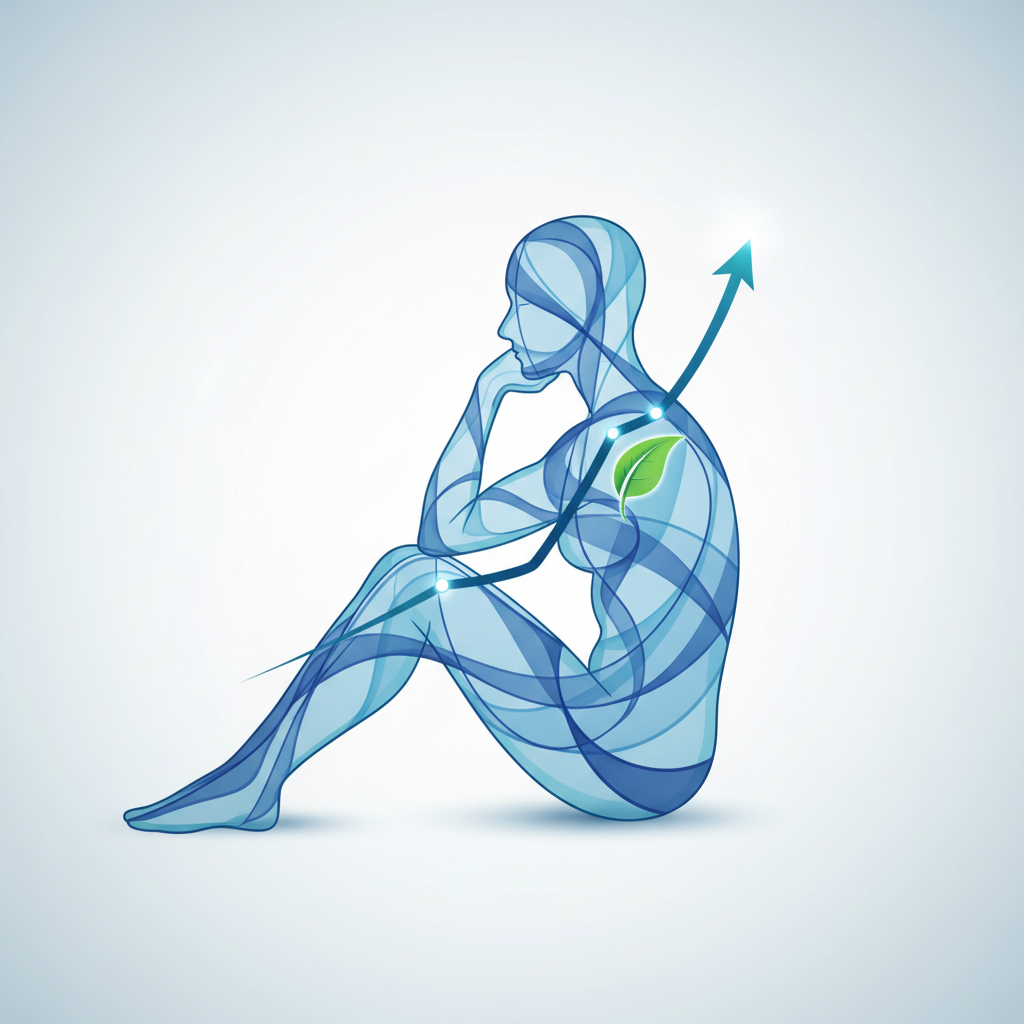
We are in a transition period where the "rules" of AI productivity are being written. By tracking your own signals—your energy, your mood, and your level of exhaustion—you can ensure that technology remains a tool for your advancement rather than a weight on your wellbeing.
Use AI the way recruiters do
HappyWorka's CV Score and CV Optimizer show you what automated screening sees first.
Try the CV OptimizerGet the week's best career and workplace insights delivered to your inbox.
No spam. Just useful career and workplace insights. Unsubscribe anytime.