
Tiredness vs. Burnout: Identifying Recovery-Resistant Exhaustion
Learn the difference between normal fatigue and clinical burnout by understanding how your body responds—or fails to respond—to rest.
You finish a demanding week in Lagos or Accra, navigate the commute home, and finally collapse onto the sofa. You tell yourself that a long weekend or a few early nights will fix it. You expect that by Monday, the spark will return and the mental fog will clear.
But Monday arrives, and the heaviness is still there. It isn’t just that you are sleepy; it is that the very idea of opening your laptop feels like pushing a boulder uphill. When rest no longer restores your energy, you are no longer dealing with simple tiredness. You are experiencing the mechanism of burnout.
Distinguishing between these two states is vital because the remedy for one can actually mask the progression of the other. If you treat burnout as mere tiredness, you may find yourself trapped in a cycle of short-term fixes that never touch the root cause.
The Mechanism of Normal Fatigue
Ordinary tiredness is a physiological response to exertion. Whether it is a busy month of closing accounts or the mental load of a complex project, your body and brain use up available resources. This type of fatigue is proportional: if you work ten hours, you feel a certain level of exhaustion. If you sleep eight hours, that exhaustion diminishes.
In this state, your perspective remains intact. You might be frustrated by a difficult colleague or a tight deadline, but you still see the value in your work. You are capable of feeling excitement for your hobbies or weekend plans. Crucially, your body still knows how to utilize rest. When you step away from the desk, your nervous system successfully shifts from 'fight or flight' (the sympathetic state) back to 'rest and digest' (the parasympathetic state).
The Shift to Recovery-Resistant Exhaustion
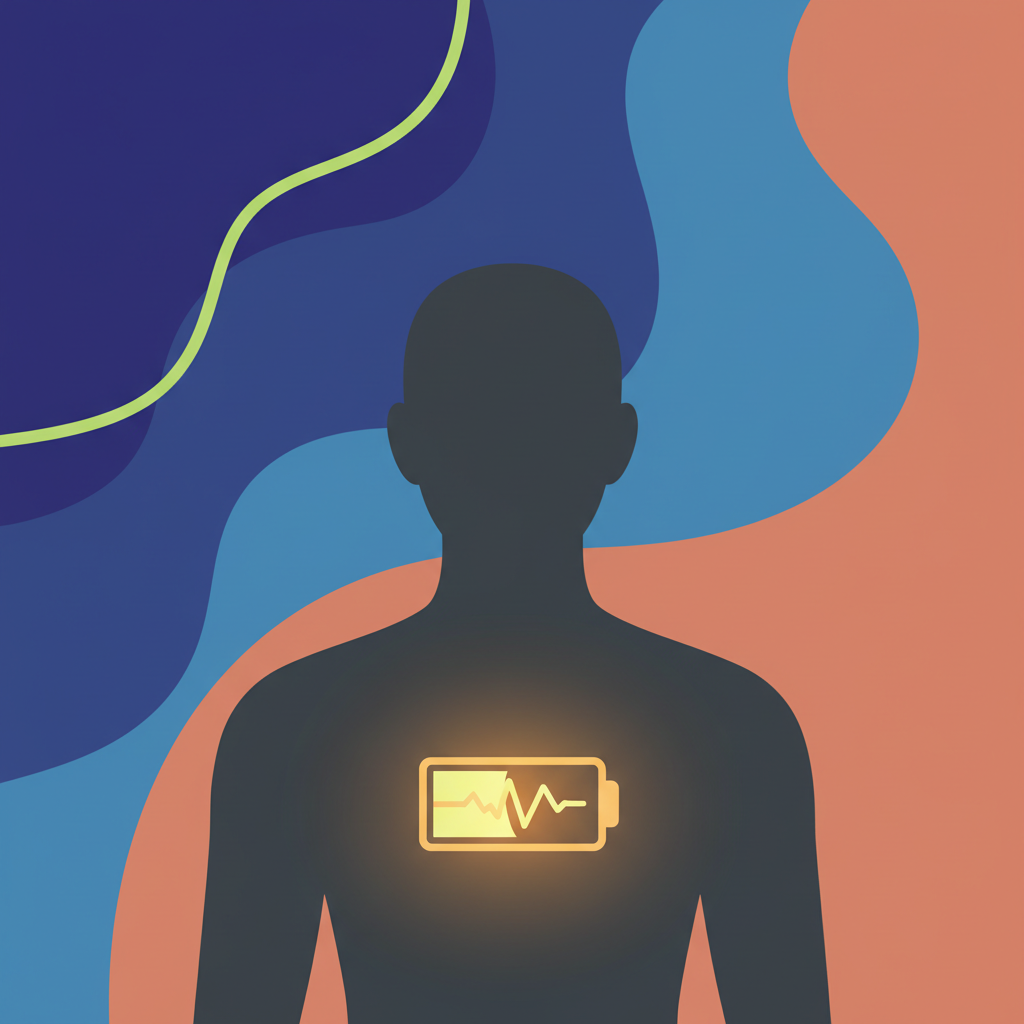
Burnout is different because it represents a breakdown in your internal recovery system. It isn't just a lack of energy; it is a change in how your brain processes stress and reward. This is often what we look for during career health check-ins—a sense that the battery isn't just low, but is no longer holding a charge.
When you are burnt out, the exhaustion is often 'recovery-resistant.' You might take a week off, only to find that on day three of your vacation, you feel just as depleted as you did on Friday afternoon. This happens because chronic workplace stress has kept your cortisol levels elevated for so long that your body has forgotten how to reset.
The Three Hallmarks of Burnout
The Copenhagen Burnout Inventory and similar validated tools generally look at three specific dimensions to differentiate burnout from general fatigue:
- Physical and Emotional Exhaustion: A deep sense of being 'drained' that sleep does not fix.
- Cynicism and Detachment: A growing sense of indifference or even hostility toward your work, clients, or colleagues. You start to feel like a 'cog in the machine.'
- Reduced Personal Accomplishment: A feeling that no matter how hard you work, you aren't achieving anything of value. You begin to doubt your own skills.
Comparison: Tiredness vs. Burnout
Understanding where you sit on this spectrum helps you decide whether you need a nap or a systemic change in your work life.
| Feature | Normal Tiredness | Burnout (Recovery-Resistant) |
|---|---|---|
| Effect of Sleep | You feel refreshed after a good night's rest. | You wake up feeling just as tired as when you went to bed. |
| Emotional State | Irritated but still engaged and capable of joy. | Numb, cynical, or feeling a sense of 'dread' regarding work. |
| Work Performance | Efficiency might dip temporarily. | Chronic procrastination; tasks take three times longer than usual. |
| Physical Symptoms | Muscle fatigue or sleepiness. | Tension headaches, digestive issues, or frequent minor illnesses. |
| Perspective | "I have a lot to do this week." | "What is even the point of doing this?" |
Why Rest Alone Doesn't Cure Burnout
If you are purely tired, a weekend away works. If you are burnt out, a weekend away feels like a countdown to more misery. This is because burnout is rarely caused by 'working too much' alone; it is caused by a mismatch between your efforts and your rewards, a lack of control over your environment, or a conflict between your values and your company’s actions.
If you find yourself constantly checking remote jobs not because you want a new challenge, but simply because you need to escape your current environment, it is time to look at the 'why' behind your fatigue. Rest is a biological necessity, but it cannot fix a toxic culture or a role that has stripped you of your autonomy.
Listening to the Signals
It is important to remember that these feelings are signals, not a permanent diagnosis. High scores on a wellbeing index or a burnout scale are data points telling you that your current way of working is unsustainable.
- Check your 'Mondays': Do you feel a physical sensation of anxiety (a tight chest or heavy stomach) on Sunday evening? Normal tiredness doesn't usually cause physical dread.
- Monitor your empathy: Are you becoming shorter with colleagues or losing patience with clients? A drop in empathy is a classic biological defense mechanism against emotional depletion.
- Assess your 'Flow': When was the last time you were so engaged in a task that time flew by? Burnout makes 'flow' almost impossible to achieve because your brain is stuck in survival mode.
If these signals are severe or if you feel a sense of hopelessness that bleeds into your personal life, it is vital to seek support from a mental health professional. These assessments are tools for early intervention, but they do not replace clinical care for severe distress.
Moving Forward
Recognizing that you are dealing with recovery-resistant exhaustion is the first step toward reclaiming your career health. It might mean having a difficult conversation with management about your workload—something that HR leaders using employee pulses are becoming more equipped to handle—or it might mean realizing that your current role is no longer a fit for your wellbeing.
Once you identify that your fatigue is not 'normal,' you can stop blaming yourself for not being 'productive enough.' You aren't lazy, and you haven't lost your edge; your system is simply demanding a change that sleep alone cannot provide.
How healthy is your work life, really?
Weekly career health check-ins turn a vague feeling into a trend you can act on.
Start a check-inGet the week's best career and workplace insights delivered to your inbox.
No spam. Just useful career and workplace insights. Unsubscribe anytime.