Burnout Doesn't Arrive Overnight: The Early Signs Most People Miss
Burnout isn't a sudden crash; it's a slow erosion. Learn to spot the subtle shifts in exhaustion and cynicism before they impact your health and career.

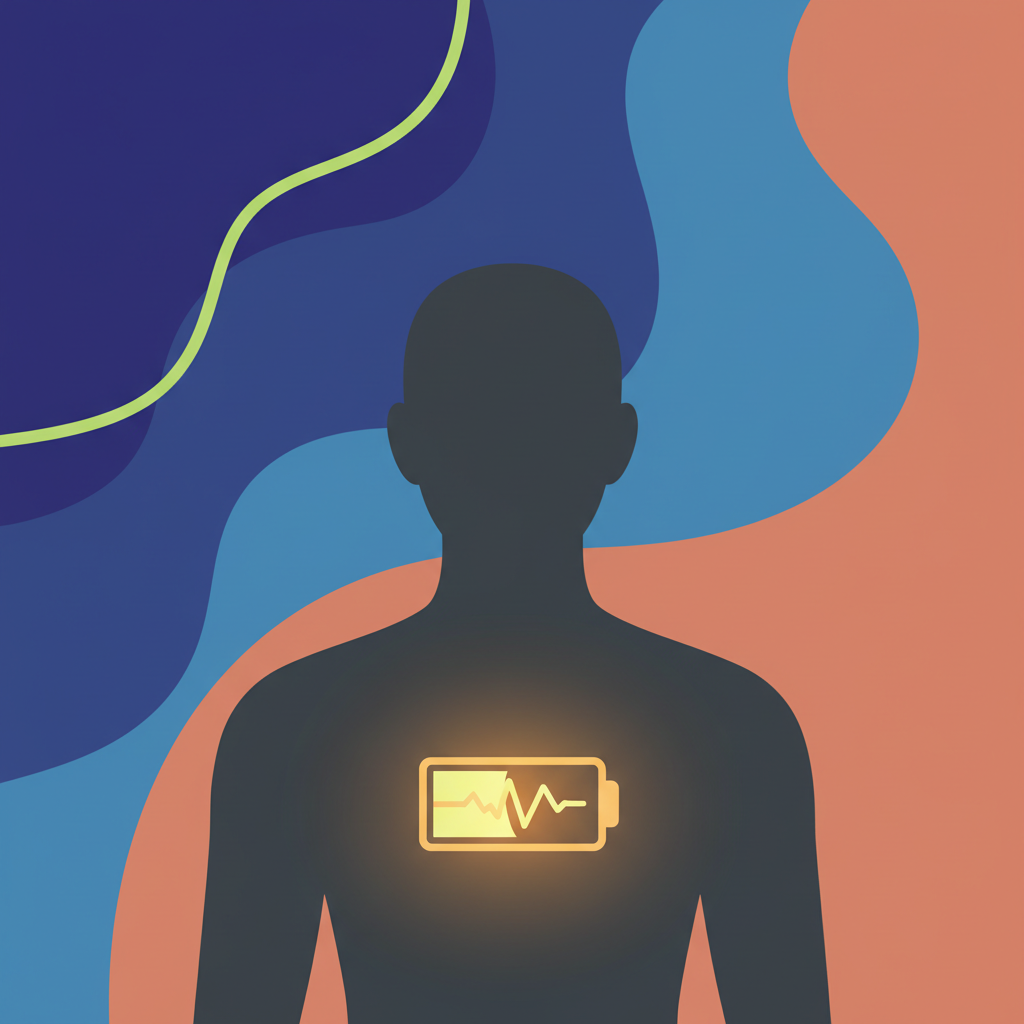
It starts with a Sunday evening that feels slightly heavier than usual. You aren't sick, and you haven't had a particularly grueling week, but the thought of opening your laptop feels like a physical weight. You dismiss it as a case of the Mondays arriving early, tell yourself to "push through," and rely on an extra cup of coffee to bridge the gap.
Over the next few months, that weight doesn't lift; it just becomes part of your furniture. You might notice you are more irritable in meetings or that tasks which used to take twenty minutes now stretch across an entire afternoon. This is the deceptive nature of burnout: it rarely arrives as a sudden explosion. Instead, it is a slow, quiet erosion of your internal resources.
At HappyWorka, we track these shifts using validated tools like the Copenhagen Burnout Inventory. These measures show us that burnout is a process, not a destination. By the time you feel completely "fried," the process has likely been underway for months. Recognizing the early signals is the difference between making a minor course correction and facing a forced hiatus from your career.
The Three Pillars of the Burnout Mechanism
Burnout is often misunderstood as just "being very tired." In reality, it is a specific psychological syndrome characterized by three distinct experiences. When you use a career health check-in, you are essentially looking for the presence and intensity of these three pillars:
- Emotional Exhaustion: This is the core of burnout. It is the feeling of being overextended and depleted of your emotional and physical resources. It differs from normal tiredness because sleep doesn't seem to fix it.
- Cynicism (Depersonalization): This is a defensive mechanism. You start to distance yourself from your work, your colleagues, or your clients. You might find yourself thinking, "Why does any of this matter?" or feeling less empathy for the people you serve.
- Reduced Personal Accomplishment: This is the feeling that you are no longer effective. Even if you are still hitting your KPIs, you feel like you are failing or that your work has no value.
Subtle Signs You Might Be Ignoring
Because we are often conditioned to value "grit" and resilience, we tend to ignore the subtle shifts in our behavior. However, your body and mind often signal a decline in wellbeing long before a formal assessment would flag a high burnout score.
The Shift in Social Energy
If you find yourself avoiding the "watercooler" talk in the office or staying on mute during every remote meeting to avoid interaction, pay attention. While introversion is a personality trait, a sudden shift toward withdrawal is often a sign of depersonalization. You are trying to conserve energy by limiting human connection, which is often the most taxing part of the workday.
The "Low-Stakes" Procrastination
We all procrastinate on big, scary projects. But a hallmark of early-stage burnout is struggling with the small stuff. If clearing your inbox or filing a simple expense report feels insurmountable, your cognitive load is likely maxed out. Your brain is prioritizing survival over minor administrative tasks.
Changes in Sleep and Physicality
Burnout isn't just in your head. It manifests as tension headaches, a clenched jaw, or waking up at 3:00 AM with a racing mind. While these can be symptoms of many things, when they cluster with work-related dread, they are clear signals to check your career health metrics.
Why Weekly Patterns Matter More Than Daily Moods
Everyone has a bad day. A single low score on a wellbeing index doesn't mean you are burning out; it just means you had a hard Tuesday. The danger lies in the trend line.
| Feature | Normal Stress | Early Burnout |
|---|---|---|
| Recovery | Restored by a weekend or a good night's sleep. | Weekend feels insufficient; dread returns by Sunday noon. |
| Perspective | Annoyed by specific tasks or people. | A general sense of cynicism toward the entire organization. |
| Motivation | Driven by goals, even if tired. | Motivation feels "forced" or entirely absent. |
| Performance | Mostly consistent. | Noticeable drops in quality or speed of work. |
If you are an HR leader using tools for teams, looking at these trends anonymously across a department can reveal if a specific project or management style is driving a downward trend in collective wellbeing before it leads to a wave of resignations.
Taking Action Before the Crash
If you recognize these patterns in yourself, the goal is not to panic, but to act on the signal. Burnout scores are not a medical diagnosis; they are data points intended to help you make informed decisions about your life.
1. Audit Your Daily Friction
Often, it isn't the big projects that break us, but the "micro-stressors." This could be a poorly defined role, a lack of autonomy, or a toxic communication culture. If the friction is structural, it might be time to look for environments that prioritize balance. Exploring remote jobs can sometimes offer the autonomy needed to manage your own energy levels more effectively.
2. Re-establish Boundaries
Cynicism often grows when we feel we have no control. Reclaiming small areas of control—like blocking out deep-work time or turning off notifications after 6:00 PM—can begin to slow the erosion.
3. Seek Objective Feedback
Sometimes we are too close to our own exhaustion to see it clearly. Engaging with a community of peers can help you realize that what you are experiencing isn't a personal failing, but a common response to systemic workplace pressures.
A Note on Severe Distress
It is vital to distinguish between workplace burnout and clinical depression or anxiety. While they can overlap, they are not the same. If you feel a persistent sense of hopelessness, thoughts of self-harm, or an inability to function in daily life, please seek help from a qualified mental health professional. A career assessment is a tool for workplace navigation, but it cannot replace clinical care.
Monitoring your wellbeing is a long-term practice. By catching the subtle shift from "busy" to "depleted," you give yourself the chance to adjust, recover, and eventually thrive again in a role that respects your capacity.
How healthy is your work life, really?
Weekly career health check-ins turn a vague feeling into a trend you can act on.
Start a check-inGet the week's best career and workplace insights delivered to your inbox.
No spam. Just useful career and workplace insights. Unsubscribe anytime.