Small Changes That Move Your Wellbeing Score Within a Month
High burnout scores aren't permanent. By reclaiming your calendar and setting hard stops, you can shift your mental energy in just four weeks.

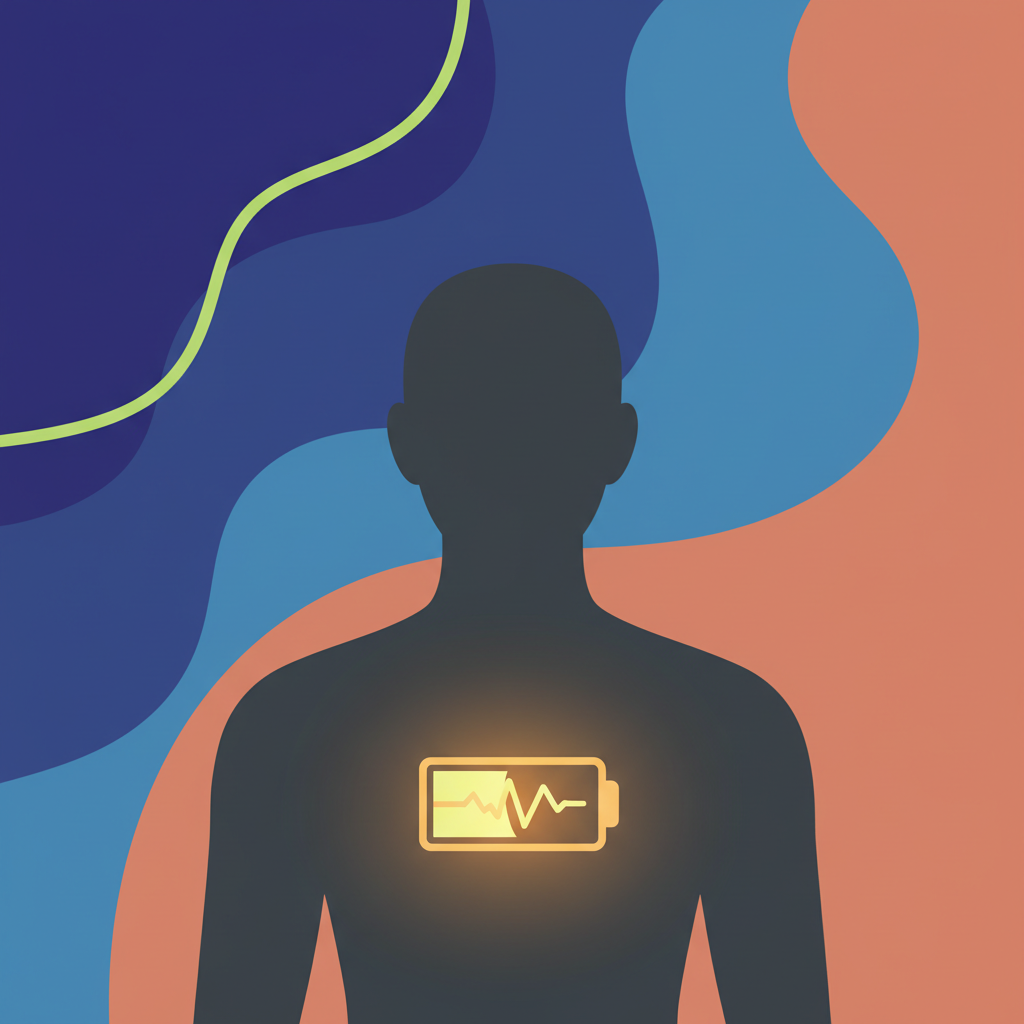
You finish the day feeling like you’ve been through a blender, yet you can’t point to a single significant thing you actually accomplished. Your calendar looks like a game of Tetris played by someone who hates you, and the constant pings on Slack or WhatsApp have turned your focus into a fragmented mess.
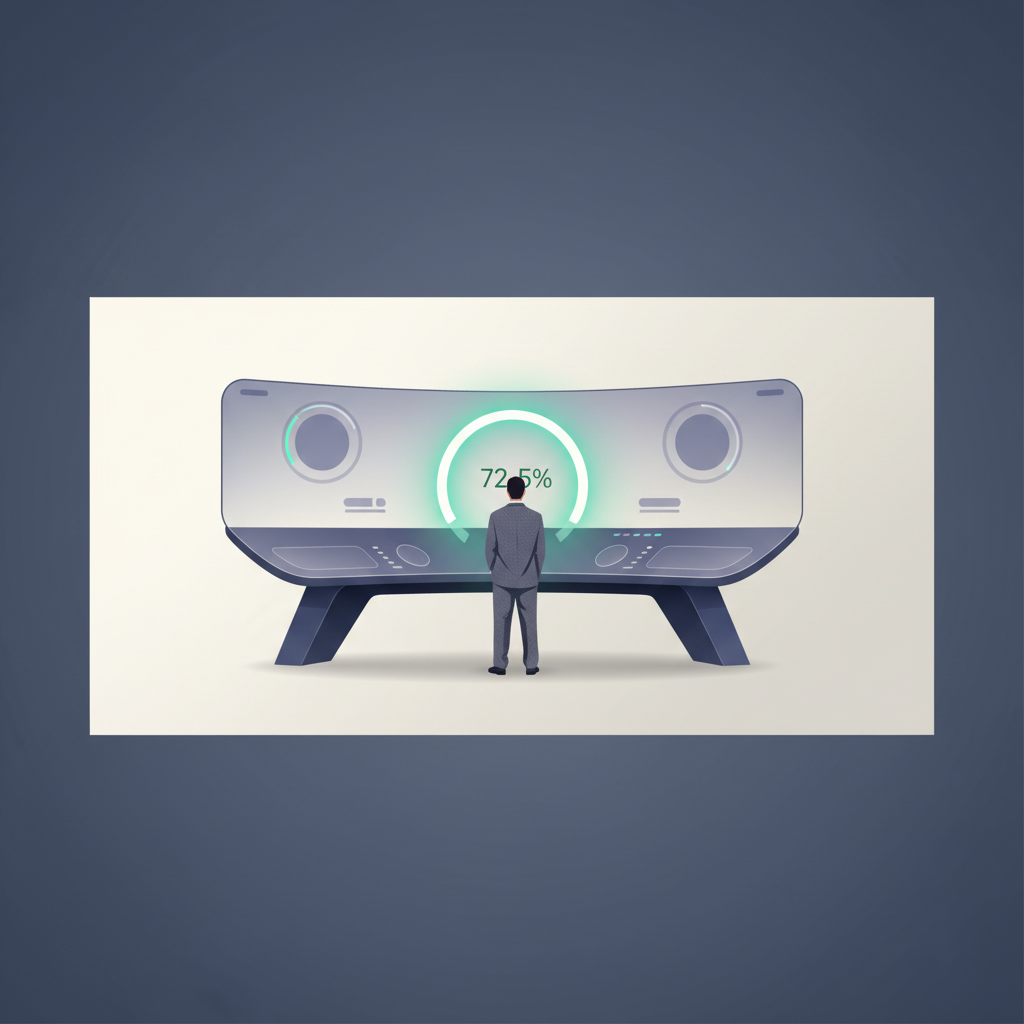
When you track your mental energy using the WHO-5 index or check your exhaustion levels through the Copenhagen Burnout Inventory on your career health check-in, the numbers often confirm what your body already knows. A low score can feel heavy, like a permanent grade on your ability to handle your job.
It isn't a permanent grade. These metrics are signals to act on, not a life sentence. While systemic workplace issues often require long-term advocacy or a new remote role, there are specific, mechanical changes you can make to your daily rhythm that can move your wellbeing score in as little as 30 days.
The Power of the Protected Focus Block
One of the most common reasons for a declining wellbeing score is "context switching." Every time you stop a task to answer a message or join an unscheduled call, your brain pays a switching cost. It takes roughly 20 minutes to return to deep focus after an interruption. If you are interrupted every 15 minutes, you are effectively working at half your cognitive capacity all day. This leads to "cognitive load," a primary driver of work-related exhaustion.
To counter this, implement a Protected Focus Block. This is a non-negotiable 90-minute window, ideally in the morning when your mental energy is highest, where you do not check email, do not answer messages, and do not take meetings.
- The Mechanism: By completing one high-value task early, you lower your baseline anxiety for the rest of the day. You move from a reactive state to a proactive one.
- The Implementation: Block the time on your public calendar. Set your status to "Deep Work." If you work in a collaborative environment, tell your team: "I’m going heads-down from 9:00 to 10:30 to finish the X report; I’ll be back online right after."
The "Hard Stop" and the Transition Ritual
In Nigeria, Ghana, and across the diaspora, the blurred line between "work time" and "home time" is a major contributor to burnout. When work bleeds into your evening, your nervous system never fully exits the "threat detection" mode of the office.
A "Hard Stop" is not just a time you stop working; it is a commitment to disconnect your brain. If you find yourself checking emails while eating dinner, your recovery is being sabotaged. Recovery is the only way to improve a WHO-5 score that tracks your interest and daily energy.
Building a Shutdown Ritual
- Clear the deck: Spend the last 15 minutes of the day writing down the top three tasks for tomorrow. This gets them out of your working memory.
- Close the tabs: Literally close every browser tab and work application.
- Physical signal: Change your clothes, take a short walk, or put your phone in another room for 30 minutes. This signals to your brain that the "work self" is now off duty.
Handing Back Over-Commitments
Low job satisfaction often stems from a feeling of powerlessness. We say "yes" to small favors or extra projects because we want to be helpful, but eventually, the weight of these "micro-tasks" creates a suffocating workload.
Moving your score requires an audit of your commitments. Look at your task list and identify one thing that is not in your job description and is draining your energy.
| Action | How it helps wellbeing |
|---|---|
| The Hand-back | Returning a task that belongs to another department reduces resentment. |
| The Pause | Saying "I can't take this on this week, but check back Tuesday" protects your capacity. |
| The Delegation | Teaching someone else to do a recurring task lowers your long-term load. |
If you find your workload is consistently unmanageable even after these shifts, it might be time to update your professional profile. A well-structured resume builder can help you articulate your value so you can look for environments that respect boundaries more effectively.
One Honest Conversation
We often assume our managers know we are struggling, but if you are a high performer, you are likely very good at hiding the strain. The problem is that "suffering in silence" is a fast track to severe burnout.
You do not need to share your private health details to have an honest conversation. You can speak in terms of "sustainability" and "output quality."
Try this script: "I’ve been looking at my current workload and my recent energy levels. To make sure I keep delivering high-quality work on Project A, I need to step back from Committee B or adjust the timeline on Task C. Which of these is the priority for the team right now?"
This isn't complaining; it’s resource management. For HR leaders using tools like HappyWorka for teams, this is exactly the kind of dialogue you want to encourage. It allows for adjustments before a talented employee reaches a breaking point.
Tracking the Shift
When you make these changes, don't expect your feelings to change overnight. It usually takes about two weeks for the nervous system to stop expecting an interruption and another two weeks to start feeling the benefits of better sleep and reduced cognitive load.
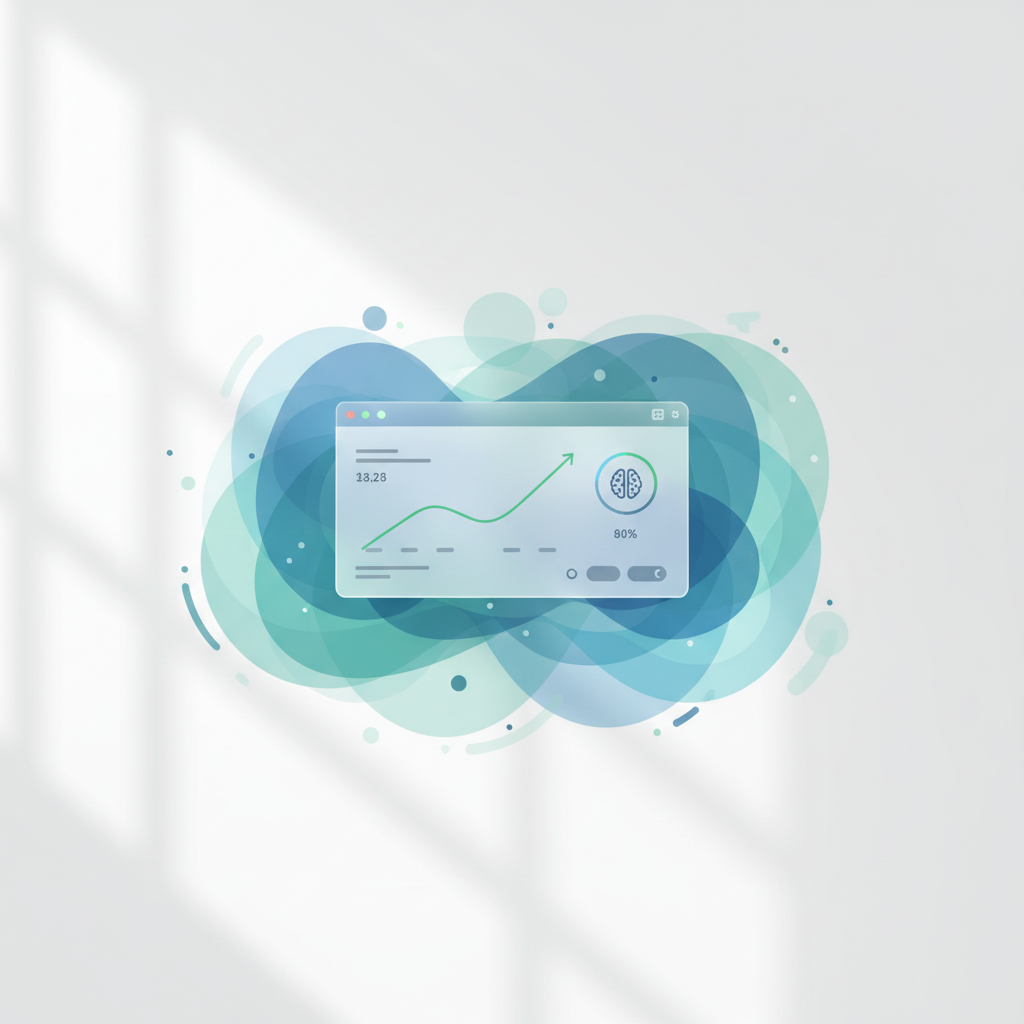
By the end of 30 days, take your career health check-in again. You aren't looking for a perfect score; you are looking for a trend. If your exhaustion score is trending down and your wellbeing score is trending up, the mechanisms are working. If the scores remain dangerously low despite these changes, it is a clear signal that the issue may be the environment itself rather than your habits, and you should consider seeking professional support or a more radical career change.
Small, mechanical shifts in how you handle your hours are the most reliable way to reclaim your mental space. You don't need a total life overhaul to feel better at work; you just need to protect the boundaries of your own energy.
How healthy is your work life, really?
Weekly career health check-ins turn a vague feeling into a trend you can act on.
Start a check-inGet the week's best career and workplace insights delivered to your inbox.
No spam. Just useful career and workplace insights. Unsubscribe anytime.