What a Burnout Score Really Tells You — and What It Doesn't
A burnout score is a signal, not a diagnosis. Learn how the Copenhagen Burnout Inventory measures exhaustion and how to use your results to take action.
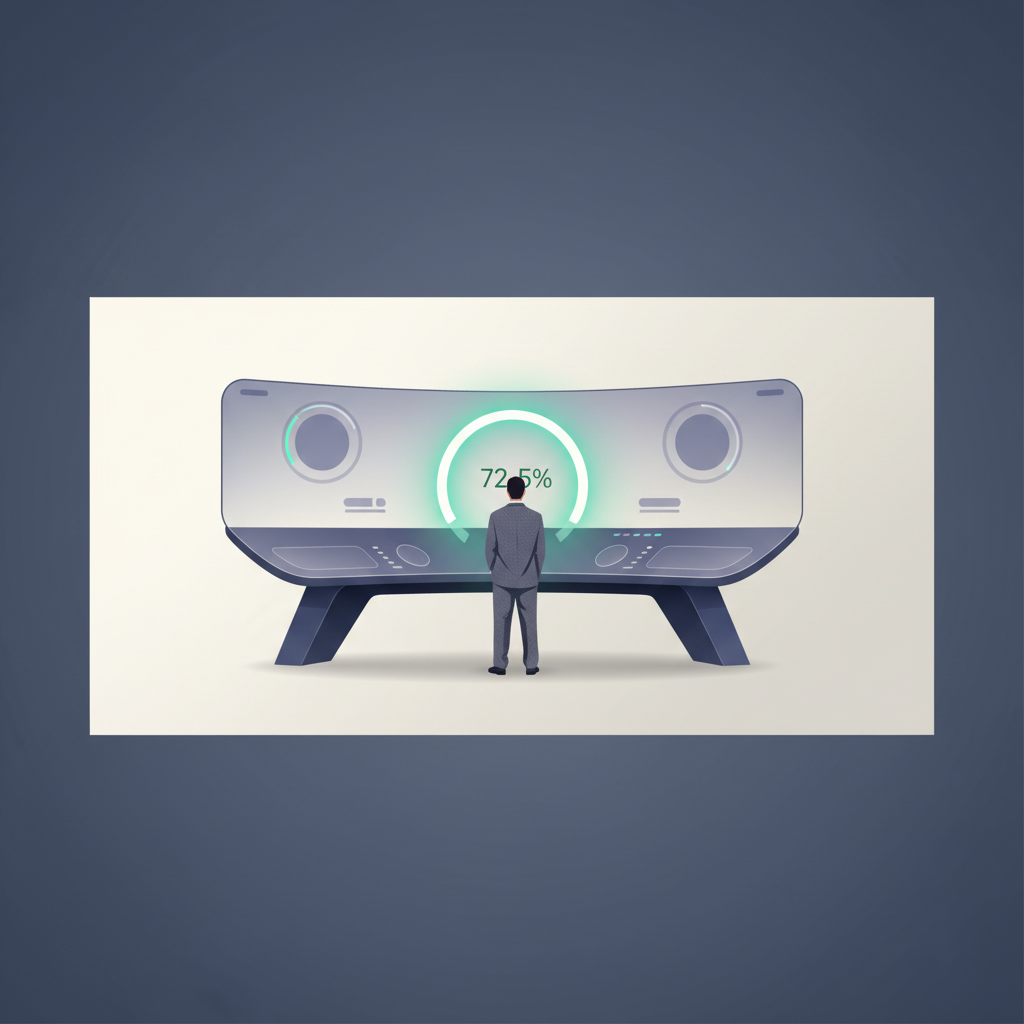
You finish the work week, close your laptop, and realize you haven't just had a busy few days—you feel hollow. It’s that specific type of fatigue where even a long weekend doesn't seem to move the needle. When you finally decide to take a career health check-in and see a high burnout score, it can feel like a heavy verdict.
But a number on a screen isn't a life sentence, nor is it a medical diagnosis. It is a data point in the story of your professional life. Understanding how that number is calculated—and what it is actually measuring—is the first step toward taking the right kind of action.
At HappyWorka, we use the Copenhagen Burnout Inventory (CBI). Unlike some older models that treat burnout as a single, messy blob of stress, the CBI breaks it down into distinct categories. This matters because how you address exhaustion depends entirely on where that exhaustion is coming from.
The Three Dimensions of the CBI
The CBI is widely respected because it looks at the "attribution" of your fatigue. It asks: Are you tired because of life in general, because of your specific job, or because of the people you interact with? Understanding these three pillars helps move you from a vague feeling of "I'm done" to a targeted plan for recovery.
| Dimension | What it Measures | The Core Question |
|---|---|---|
| Personal Burnout | General physical and psychological fatigue. | How tired are you, regardless of your work status? |
| Work-related Burnout | Exhaustion specifically attributed to your job. | Do you feel worn out by your tasks and the workplace? |
| Client-related Burnout | Fatigue resulting from people-facing interactions. | Does working with customers, students, or colleagues drain you? |
Personal Burnout
This measures how much energy you have left in the tank overall. If you score high here, the issue might not just be your boss or your projects. It could be a combination of poor sleep, family pressures, or a lack of physical recovery. It tells you that your baseline is low.
Work-related Burnout
This is the most direct signal for career health. It isolates the impact of your job. If your personal burnout is low but your work-related score is high, the call to action is clear: the structure of your role, your workload, or the culture of your organization is the primary culprit. This is often the point where professionals start looking at remote jobs or considering a complete pivot to a more sustainable environment.
Client-related Burnout
For those in the African diaspora or local markets in Lagos and Accra working in high-touch roles—like sales, medicine, or teaching—this is crucial. It measures the "compassion fatigue" that comes from constant emotional labor. High scores here suggest you need better boundaries or a role that requires less intense interpersonal energy.
What the Score Is: A Signal to Act
Think of your burnout score like the "check engine" light in a car. When that light flickers on, it doesn't mean the car is scrap metal. It means you need to pull over, open the hood, and investigate the mechanics.
A score gives you language for your feelings. It’s hard to advocate for yourself when you just feel "stressed." It is much easier to have a conversation with yourself—or a trusted mentor in the HappyWorka community—when you can say, "My work-related exhaustion is high, but I still enjoy my personal life, which tells me the problem is my current project load, not my life choices."
For HR leaders using HappyWorka for teams, these scores serve as a pulse check. They don't identify individuals, but they show trends. If an entire department has spiking work-related scores, it’s a signal that the system is broken, not the people.
What the Score Is Not: A Diagnosis
It is vital to remember that the CBI and the WHO-5 wellbeing index are screening tools, not clinical diagnoses.
- It isn't a permanent label. Scores fluctuate. A high score during a peak season or a product launch is a temporary state of high strain. A high score that persists for months is a systemic problem.
- It isn't a measure of your competence. Being burnt out does not mean you are bad at your job. In fact, high achievers are often more susceptible to burnout because they find it harder to say no or lower their own internal standards.
- It isn't a substitute for professional help. If your scores are consistently in the highest bracket, or if you feel a sense of hopelessness that extends into every area of your life, that is a signal to see a therapist or a medical professional. Assessments identify the presence of a problem; experts help you heal from it.
How to Use Your Results
Once you have your score, the goal is to move from reflection to action. If you realize your burnout is primarily work-related, you might start by auditing your daily tasks. Are you spending 80% of your energy on things that don't move the needle?
If you decide the environment itself is the issue, you don't have to quit tomorrow, but you can start preparing. You might use a resume builder to get your documents in order while you have the mental space to do so, rather than waiting until you are too exhausted to even write a bullet point.
Practical Steps After a High Score:
- Verify the source: Look at the three dimensions. Is this a life problem, a job problem, or a people problem?
- Identify recovery-resistant habits: Are you checking emails at 9 PM? Are you skipping lunch? These small leaks drain your battery faster than big projects do.
- Set a "Review Date": If you score high today, commit to a small change and re-take the assessment in three weeks. Is the score moving? If not, more drastic changes (like a new role or a sabbatical) may be necessary.
Ultimately, measuring your wellbeing is about taking back control. When you quantify how you feel, you move from being a victim of your schedule to being the manager of your energy. A burnout score doesn't tell you who you are—it tells you how you are currently being impacted by your environment. And once you know that, you can start to change the environment.
How healthy is your work life, really?
Weekly career health check-ins turn a vague feeling into a trend you can act on.
Start a check-inGet the week's best career and workplace insights delivered to your inbox.
No spam. Just useful career and workplace insights. Unsubscribe anytime.